
A breakdown, stalled engine, flat tire, or collision can quickly turn an ordinary drive through White Hall into a stressful situation. Whether you are traveling along Interstate 530, US-270, or a local road near Pine Bluff, knowing what type of towing service you need can help you make the right call when your vehicle cannot safely continue.
The main types of towing services include standard vehicle towing, flatbed towing, accident recovery, roadside assistance, long-distance towing, and specialized towing for vehicles that need extra care. The right option depends on the vehicle, its condition, where it is located, and whether it can roll or steer safely. Understanding these differences can make it easier for White Hall drivers to explain the situation and get appropriate help.
What local drivers should know
-
Standard towing is commonly used for passenger vehicles that can be moved safely with part of the vehicle lifted from the roadway.
-
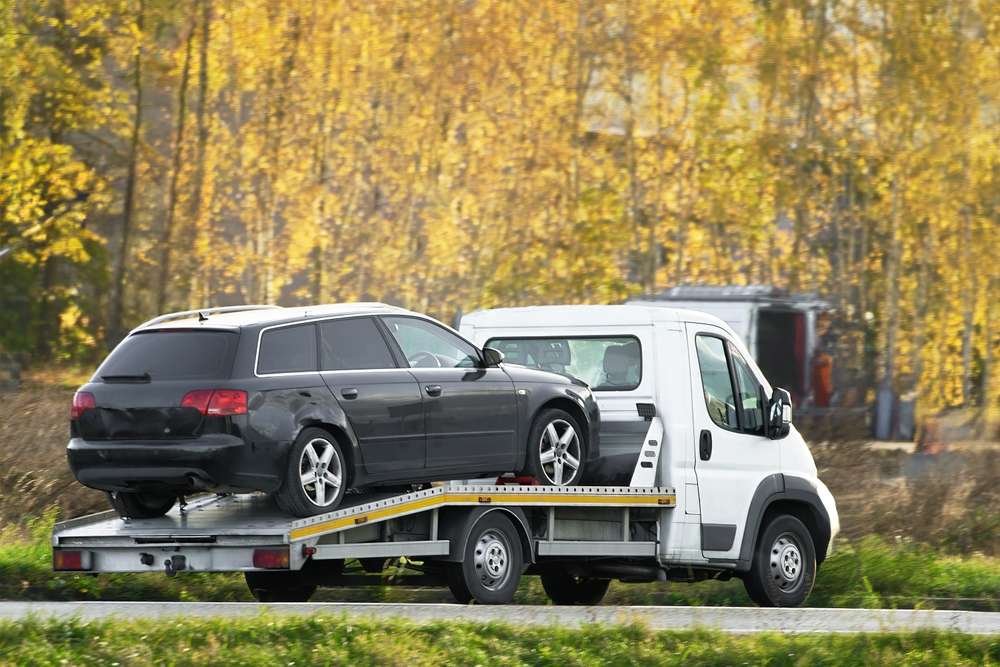
Flatbed towing keeps the entire vehicle off the road and can be useful for damaged, low-clearance, or certain specialty vehicles.
-
Drivers traveling between White Hall, Pine Bluff, and other parts of Jefferson County may need towing after a breakdown on a highway or less convenient rural roadway.
-
Roadside assistance may solve some problems without requiring a tow, depending on the condition of the vehicle.
-
Collision and recovery situations can require different equipment and procedures than an ordinary mechanical breakdown.
Why Do Different Types of Towing Services Matter in White Hall?
Different types of towing services matter in White Hall because a disabled vehicle on a local street is not necessarily handled the same way as a wrecked vehicle beside Interstate 530 or a car that will not start in a parking lot. Matching the service to the situation can help the vehicle be moved more safely and efficiently.
Drivers in Jefferson County regularly travel between White Hall, Pine Bluff, Redfield, and communities throughout southeast Arkansas. Routes such as I-530, US-270, and Arkansas Highway 104 can place motorists alongside faster-moving traffic when something goes wrong.
Weather also affects local driving conditions. Heavy rain, summer heat, and occasional winter weather can contribute to vehicle trouble or make roadside situations more difficult.
At Foster Towing and Recovery, we understand that the first question many stranded drivers have is simply, “What kind of tow do I need?” Our goal is to determine what the situation requires and help get the vehicle where it needs to go.
What Are the Main Types of Towing Services?
The main types of towing services include wheel-lift towing, flatbed towing, accident recovery, roadside assistance, and towing for vehicles or situations that require specialized handling. Each method serves a different purpose, so the best choice depends on the vehicle’s condition and location.
Standard or Wheel-Lift Towing
Wheel-lift towing raises either the front or rear wheels of a vehicle while the other wheels remain on the road. It can be an effective option for many routine towing situations involving cars and light-duty vehicles.
For example, a vehicle that develops a mechanical problem around White Hall but can still roll and steer may be suitable for this type of tow. Vehicle design, drivetrain, damage, and manufacturer recommendations should still be considered before choosing a towing method.
Flatbed Towing
Flatbed towing places the entire vehicle on the towing platform, keeping all four wheels off the roadway. This method is frequently appropriate when a vehicle has significant damage, cannot roll normally, has low ground clearance, or should not travel with any wheels on the pavement.
A flatbed may also be useful when transporting certain all-wheel-drive, specialty, classic, or higher-value vehicles. The correct method depends on the individual vehicle rather than a single rule that applies to every model.
Accident Towing and Recovery
Accident towing and recovery involve removing vehicles that have been damaged, displaced, or left in a position where ordinary towing may not be sufficient. A vehicle may need to be pulled from a ditch, repositioned, or carefully loaded before it can be transported.
This can be especially important along busy routes around Jefferson County, where a disabled or damaged vehicle may create an additional roadside hazard.
Roadside Assistance
Roadside assistance can sometimes get a driver moving again without a tow. Depending on the problem, assistance may involve a jump-start, help with a flat tire, vehicle lockout service, or another basic roadside solution.
If the vehicle has a larger mechanical issue or cannot be operated safely, towing may still be necessary.
Long-Distance Towing
Long-distance towing is used when a vehicle needs to be transported beyond a typical local trip. A driver in the White Hall area might need a vehicle taken to a preferred repair facility, dealership, residence, or another destination outside the immediate community.
Before arranging a longer tow, confirm the destination so the towing provider can determine the appropriate transportation method.
What Warning Signs Mean You May Need a Tow?
Signs that you may need a tow include a vehicle that will not start, unsafe steering or braking, overheating, collision damage, major tire damage, or warning symptoms that make continued driving risky. If you cannot confidently operate the vehicle safely, arranging assistance is usually preferable to attempting to continue.
Watch for these situations:
-
The engine will not start after reasonable attempts.
-
The vehicle is overheating or producing steam.
-
A tire or wheel is too damaged for safe travel.
-
Steering feels unusually loose, locked, or unresponsive.
-
Braking performance has noticeably changed.
-
The vehicle has been damaged in a collision.
-
Fluid is leaking heavily beneath the vehicle.
-
The vehicle is stuck off the roadway or cannot move under its own power.
On roads such as I-530, remaining inside or immediately beside a disabled vehicle can create additional risks depending on where the vehicle stops. Move to a safer location when it is possible to do so safely and follow instructions from emergency personnel when they are present.
When Should You Call a Professional Towing Service?
You should call a professional towing service when your vehicle cannot be driven safely, is stranded in a hazardous location, has been involved in a collision, or requires equipment you do not have. A professional can evaluate the situation and determine an appropriate way to move the vehicle.
Some simple issues can be checked safely. For example, you may be able to confirm that a battery connection appears intact or determine whether a spare tire is available.
DIY efforts should stop when they would require working close to moving traffic, crawling beneath an unstable vehicle, attempting to pull a vehicle from a ditch, or continuing to drive despite mechanical or collision damage.
What Common Situations Lead to Towing Around Jefferson County?
Common towing situations around Jefferson County include mechanical breakdowns, battery trouble, tire damage, overheating, collisions, and vehicles that become stuck or otherwise cannot move safely. Local highways, everyday commuting, weather, and normal vehicle wear can all contribute to roadside calls.
Summer heat can place additional strain on batteries and cooling systems. Heavy rain may reduce visibility and roadway traction. Longer trips between communities can also leave a driver farther from home or their usual repair shop when a breakdown occurs.
None of these situations automatically means a vehicle has suffered major damage. The important question is whether it can continue operating safely.
How Can Drivers Reduce the Chance of Needing a Tow?
Drivers can reduce the chance of needing a tow by keeping up with routine vehicle maintenance and addressing warning signs before they turn into roadside failures. Checking tires, batteries, fluids, brakes, and cooling-system condition is particularly helpful before longer trips through southeast Arkansas.
Before driving, consider checking:
-
Tire pressure and visible tread condition
-
Battery performance if starting has become sluggish
-
Engine oil and other manufacturer-recommended fluids
-
Coolant levels when the engine is completely cool
-
Headlights, brake lights, and turn signals
-
Spare tire and emergency supplies
Before summer road trips or regular commuting between White Hall and Pine Bluff, dealing with a small mechanical concern at home is usually easier than handling it from the shoulder of a highway.
What Results Should You Expect From a Towing Service?
A towing service should help move your disabled vehicle from its current location to an appropriate destination using a towing method suited to the situation. Depending on the problem, the destination could be a repair facility, residence, dealership, body shop, or another location chosen by the vehicle owner.
Towing itself does not repair the underlying mechanical problem. Its purpose is to move a vehicle that cannot or should not continue under its own power.
What Are Common Mistakes Drivers Make When They Need a Tow?
Common towing mistakes include continuing to drive a damaged vehicle, providing incomplete location information, choosing a towing method without considering the vehicle, and waiting in an unsafe roadside position. A better approach is to describe the situation clearly and prioritize personal safety.
Mistake: Continuing to drive an overheating vehicle.
Consequence: Continued operation may lead to additional mechanical damage.
Better approach: Find a safe place to stop and arrange assistance if the vehicle cannot be operated safely.
Mistake: Giving only a general location.
Consequence: Finding the vehicle may take longer.
Better approach: Provide the road name, direction of travel, nearby intersection, exit number, landmark, or other identifying information.
Mistake: Assuming every tow is the same.
Consequence: The vehicle may require equipment different from what the driver expected.
Better approach: Explain the vehicle type, condition, and any collision damage when requesting service.
What Is a Common Local Towing Scenario?
A common local towing scenario is a driver traveling between White Hall and Pine Bluff who experiences a mechanical problem and pulls into a safe location. The vehicle may still start, but a warning light, overheating, or unusual noise makes continued driving questionable.
In that situation, the driver can describe the symptoms, vehicle type, current location, and desired destination when requesting assistance. That information helps determine whether roadside help may solve the problem or whether towing is more appropriate.
Which Towing Service Is Right for Your Situation?
The right towing service is the one that matches your vehicle’s condition, drivetrain, location, and ability to move safely. A routine breakdown may need standard towing, while collision damage, a non-rolling vehicle, or certain vehicle designs may make flatbed towing or recovery equipment more appropriate.
We can use the details you provide about the vehicle and situation to help determine the appropriate service.
How Does Roadside Assistance Compare With Towing?
Roadside assistance is designed to solve certain minor problems where the vehicle is located, while towing transports a vehicle that cannot be returned to safe operation on site. The better option depends on what went wrong and whether the problem can reasonably be addressed without moving the vehicle.
A jump-start may be enough for a discharged battery, for example. A vehicle with collision damage, severe overheating, or a mechanical failure will generally need to be transported rather than simply restarted.
What Areas Can Local Towing Service Cover?
Local towing can help drivers in White Hall and surrounding parts of Jefferson County, including trips involving Pine Bluff, Redfield, and nearby southeast Arkansas communities. Exact service availability can depend on the vehicle’s location, destination, and the type of equipment required.
If you are outside the immediate area, provide your location when calling so the towing needs can be evaluated.
What Can Happen If You Ignore a Vehicle Problem?
Ignoring a vehicle problem can turn a manageable mechanical issue into a larger repair or leave you stranded in a more dangerous location. Continuing to drive with overheating, significant tire damage, compromised steering, braking trouble, or collision damage can also create additional safety concerns.
Stopping in a safe location and arranging professional assistance can reduce the chance of making an already difficult roadside situation worse.
Frequently Asked Questions About Towing Services
What type of tow do I need in White Hall, AR?
The type of tow you need depends on your vehicle and what happened to it. A routine mechanical breakdown may be suitable for standard towing, while collision damage, low clearance, drivetrain considerations, or a vehicle that cannot roll may make flatbed towing or specialized recovery more appropriate.
Is flatbed towing better than regular towing?
Flatbed towing is better for some vehicles and situations because all four wheels remain off the roadway during transport. Standard towing can still be appropriate for many passenger vehicles. The correct choice depends on the vehicle’s drivetrain, condition, manufacturer guidance, and the nature of the breakdown or damage.
Can I get towing from White Hall to Pine Bluff?
Towing between White Hall and Pine Bluff may be appropriate when a vehicle needs to reach a repair shop, body shop, residence, dealership, or other destination. When requesting service, provide both your current location and where you want the vehicle taken so the transportation requirements can be determined.
What should I do if I break down on I-530 near White Hall?
If you break down on I-530 near White Hall, move the vehicle away from active traffic if you can do so safely, activate your hazard lights, and identify your direction of travel and nearby exit or mile marker. Avoid standing near moving traffic and request roadside or towing assistance as needed.
Can roadside assistance prevent the need for a tow?
Yes, roadside assistance can prevent a tow when the problem can be safely resolved where the vehicle stopped. A basic battery or tire issue may sometimes be addressed roadside. If the vehicle has mechanical damage, collision damage, or another condition that makes driving unsafe, towing will still be necessary.
What information should I provide when calling for a tow in Jefferson County?
Provide your exact location, vehicle year or type if known, the problem you are experiencing, whether the vehicle can roll or steer, and your preferred destination. On highways around Jefferson County, identifying your direction of travel, exit number, cross street, or nearby landmark can make your location clearer.
Should I keep driving if my vehicle is overheating in White Hall?
You should not continue driving an overheating vehicle simply to reach your destination. Continued overheating can contribute to additional engine or cooling-system damage. Find a safe place to stop, allow the vehicle to remain off, and arrange professional assistance if you cannot determine that it is safe to continue.
Can a damaged vehicle be towed after a collision?
Yes, a damaged vehicle can generally be transported after a collision, but the condition and position of the vehicle determine what equipment is required. A vehicle with damaged wheels, steering, suspension, or extensive body damage may require flatbed transportation or recovery procedures before it can be safely removed.
Get the Right Towing Help in White Hall
Understanding the different types of towing services can make a difficult roadside situation easier to manage. Whether you are dealing with a breakdown near White Hall, traveling through Jefferson County, or trying to get a damaged vehicle off the road, choosing the appropriate service starts with clearly explaining what happened.
Get Your Vehicle Safely Where It Needs to Go
We can help you determine the towing or roadside service that fits your situation and destination.